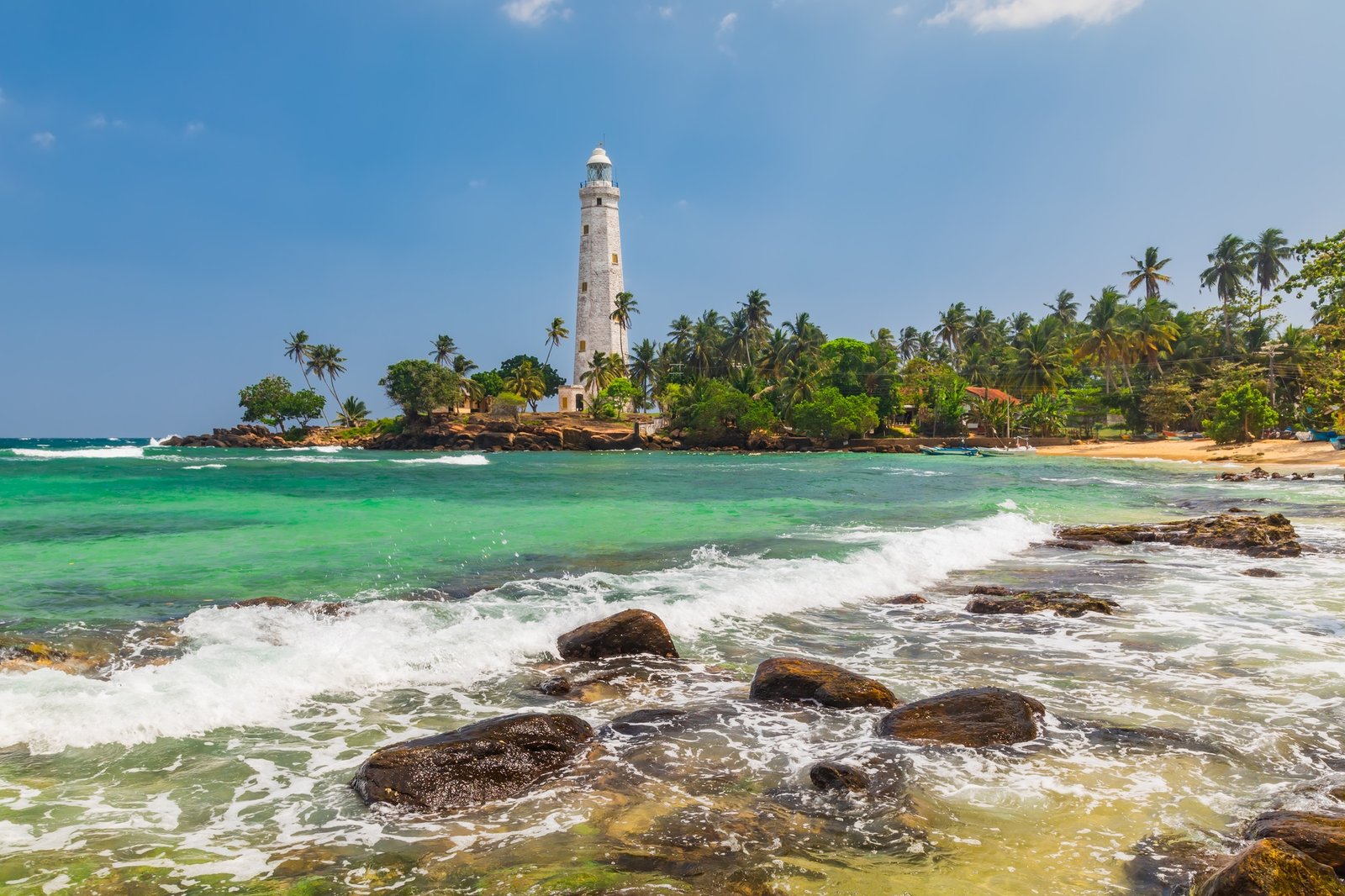
One of the very first things travelers ask when planning a trip to our beautiful island is about the weather. You are investing your time and holidays into this journey, and you naturally want sunshine, clear skies, and calm beaches. The good news is that Sri Lanka is a true year-round destination. No matter what month you decide to pack your bags, there is always a part of the island experiencing perfect weather.
However, figuring out the best time to visit Sri Lanka can feel a bit confusing at first. Unlike countries that have standard four seasons, our tropical island is governed by two separate monsoon systems that hit opposite sides of the coast at different times of the year. If it is pouring rain in the south, it is likely bright and sunny in the east.
In this guide, we will break down the Sri Lanka monsoon season simply and clearly. By the end, you will know exactly which month to visit and which coast to choose, ensuring your holiday is filled with perfect beach days and clear views of our ancient monuments.
Understanding Sri Lanka’s Two Monsoons
To plan the perfect trip, you just need to understand how the rain moves across the island. The weather here is dictated by two main wind patterns: the Southwest Monsoon and the Northeast Monsoon.
The Southwest Monsoon, locally known as the Yala monsoon, brings rain to the west and southwest coasts, as well as the hill country. This weather pattern generally lasts from May through August. During this time, the sea on the southwest coast can be rough, and you will see more frequent rain showers.
The Northeast Monsoon, known as the Maha monsoon, affects the east coast and the northern parts of the island. This monsoon typically arrives between October and January. During these months, the eastern beaches experience heavy rainfall and strong ocean currents.
Because these two weather systems perfectly alternate, you can always find sunshine just by traveling to the other side of the country. Let’s look at the best month to visit Sri Lanka depending on where you want to go.
The Best Time for the South and West Coasts (December to April)
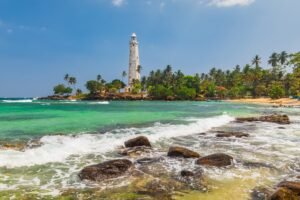
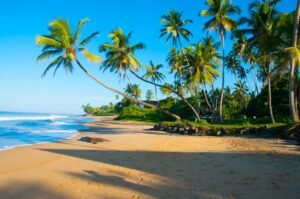
If you are dreaming of classic Sri Lankan beach towns like Galle, Mirissa, Unawatuna, Hikkaduwa, and Bentota, the best time to visit is between December and April. During these months, the southwest monsoon has completely passed. The days are long, hot, and filled with bright sunshine.
This is the absolute best time for swimming and snorkeling on the south coast because the ocean becomes incredibly calm and clear. It is also the peak season for whale watching in Mirissa. The blue whales migrate through these warm, calm waters, making it one of the best places in the world to spot them.
Because December to April offers such reliable weather on the most popular coastal stretches, it is considered the peak tourist season. If you are traveling during this time, you will find a vibrant atmosphere with plenty of open beach cafes and active nightlife. However, because it is popular, navigating public transport and finding last-minute accommodation can be quite stressful if you are trying to manage everything on your own.
The Best Time for the East Coast (May to September)
Many travelers assume they cannot visit Sri Lanka during the Northern Hemisphere’s summer holidays (July and August) because they hear it is monsoon season. This is a big misconception! While the south is getting rain, the East Coast of Sri Lanka is experiencing its absolute best weather.
From May to September, towns like Trincomalee, Nilaveli, Pasikudah, and Arugam Bay are bathed in sunshine. The ocean here turns flat, warm, and inviting. Pasikudah, in particular, has a shallow bay where you can walk hundreds of meters into the sea, making it perfect for families with young children.
For surfers, Arugam Bay comes alive between June and August. It is world-famous for its point breaks, drawing surfing enthusiasts from all over the globe. The east coast is generally less developed and quieter than the south coast, offering a more laid-back, untouched vibe. Traveling across the country to the east coast takes a bit more planning and a longer drive from the airport, but the pristine beaches and perfect summer weather make it entirely worth the journey.
Weather in the Cultural Triangle (Year-Round with Caveats)
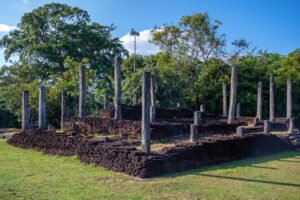
The Cultural Triangle sits in the dry zone of the central-northern plains. This area includes the famous Sigiriya Rock Fortress, the ancient ruins of Polonnaruwa and Anuradhapura, and the Dambulla Cave Temples.
As the name “dry zone” suggests, this region is generally hot and sunny for most of the year. The best time to explore these historical sites is from January to September. However, you should be prepared for the heat. Temperatures often hover around 32 to 35 degrees Celsius (90 to 95 Fahrenheit). Because exploring these ruins involves a lot of walking out in the open sun, it is highly recommended to do your sightseeing early in the morning or late in the afternoon.
The Cultural Triangle does receive rain during the Northeast Monsoon (October to December). While you can still visit during these months, you might encounter afternoon downpours. Climbing Sigiriya in the rain can be slippery, so having a flexible schedule during these months is very helpful.
Weather in the Hill Country (Cooler and Greener)
When you travel up into the central highlands to places like Kandy, Nuwara Eliya, and Ella, you leave the tropical heat behind. The Hill Country is characterized by rolling green tea plantations, misty mornings, and significantly cooler temperatures.
The weather here is generally best from January to April, offering clear skies for hiking Little Adam’s Peak or walking through the tea estates. However, because of the high altitude, the weather can change rapidly. Even in the dry season, you might experience a sudden, brief evening shower.
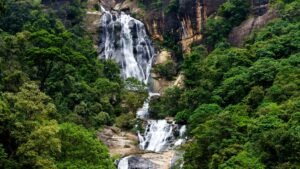
If you visit during the monsoon months, the hills become incredibly lush and the waterfalls are at their most spectacular. Just remember to bring a warm jacket, as temperatures in Nuwara Eliya can drop to around 10 degrees Celsius (50 Fahrenheit) at night.
The Shoulder Seasons (October and November)
October and November are known as the inter-monsoonal months. During this time, the weather is transitioning, and it can be quite unpredictable across the entire island. You might experience heavy evening thunderstorms followed by bright, sunny mornings.
While the weather is less reliable, there are distinct advantages to traveling during the shoulder season. The island is beautifully green, the tourist crowds are much thinner, and you have the major attractions almost entirely to yourself. If you do not mind dodging a few rain showers and prefer a quieter holiday, this can be a wonderful time to explore.
Why Navigating the Weather is Easier with a Local Team
Sri Lanka weather by coast can dictate how your holiday unfolds, and while traveling solo might seem like a fun adventure, the reality of tropical weather can quickly complicate things. Waiting for a crowded public bus in a sudden tropical downpour with all your luggage is an experience most people would rather avoid.
When you travel independently, a rainy day can easily ruin your plans because you are locked into rigid public transport schedules or lack the local knowledge to quickly pivot to a new activity. You might end up sitting in your hotel room waiting for the sky to clear.
This is where having a dedicated team looking after you makes a world of difference. At Paradise Ceylon Tours, we keep a constant eye on local weather patterns. If we know an afternoon thunderstorm is going to hit the Cultural Triangle, your personal chauffeur-guide will naturally adjust the day. We might suggest visiting an indoor museum, enjoying a long traditional lunch, or shifting a hike to the clear morning hours.
We believe your holiday should feel effortless. Instead of you worrying about reading weather apps and figuring out backup plans, our local experts handle the logistics in the background. You always travel in the comfort of a private, air-conditioned vehicle, meaning an unexpected shower just becomes a cozy scenic drive rather than a travel headache. We design our itineraries to follow the sun, ensuring you are always on the best coast at the best time.
Start Planning Your Sunny Getaway
Ultimately, there is no wrong time to travel to Sri Lanka as long as you plan your route correctly. Whether you want to escape the winter cold and relax on the southern beaches in January, or you are looking for a sunny summer family holiday on the east coast in August, the island is ready to welcome you.
Understanding the monsoons is the key to unlocking the perfect trip. But you do not have to figure it all out alone. Let the friendly team at Paradise Ceylon Tours craft an itinerary that perfectly matches your travel dates and the season’s best weather. Reach out to us today, and let us help you plan a seamless, sun-filled Sri Lankan adventure.